


 AI TOUR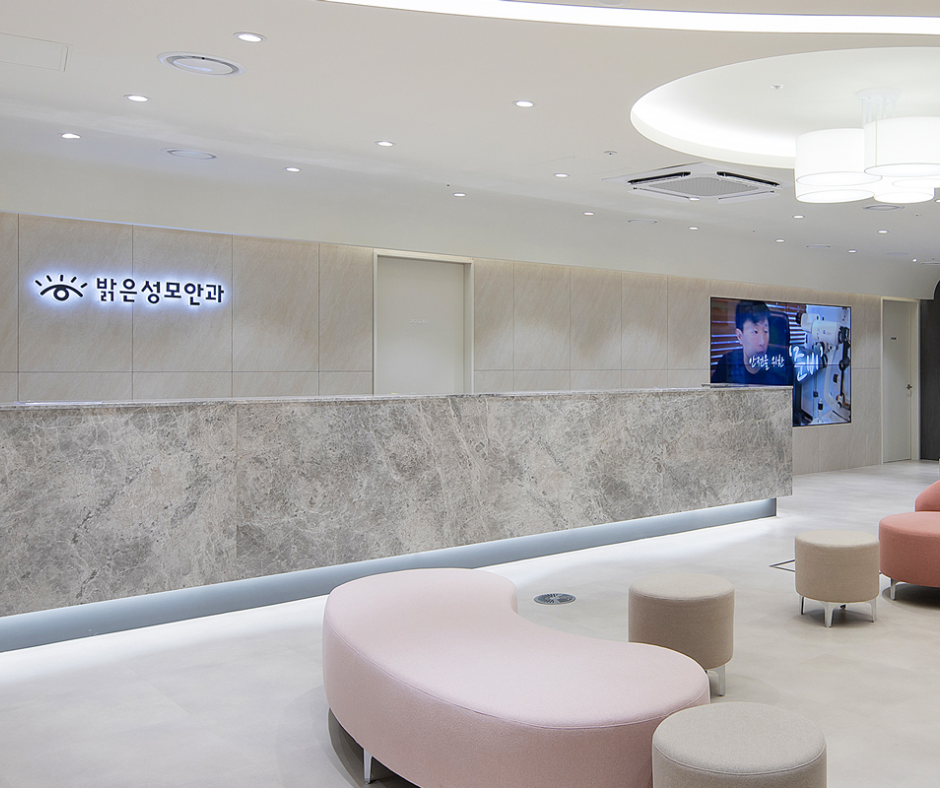


Overview
BSM Eye Clinic, also known as Gangnam Bright St. Mary’s Eye Clinic, is a specialized ophthalmology center located near Gangnam Station in Seoul. Established in 2000, the clinic is one of Korea’s early-generation vision-correction centers and reports experience covering more than 400,000 eyes treated through vision-correction procedures.
The clinic provides comprehensive ophthalmic services encompassing refractive surgery, implantable lenses, presbyopia and cataract care, dry-eye treatment, retinal disease management, glaucoma care, and preventive eye examinations. Its ophthalmologists develop individualized treatment plans based on each patient’s age, ocular structure, refractive error, medical history, occupation, lifestyle, and visual requirements.
BSM Eye Clinic operates dedicated facilities for consultation, diagnostic testing, surgery, and postoperative care. Advanced diagnostic and surgical systems—including corneal tomography, wide-field retinal imaging, optical coherence tomography, ocular biometry, ELITA, ATOS, AMARIS, and CENTURION equipment—support detailed assessment and procedure planning.
Patients receive coordinated care from the initial examination and specialist consultation through treatment, recovery monitoring, and follow-up examinations. International consultation is available in Korean, English, and Chinese, and the clinic is registered as a medical institution serving international patients through Gangnam’s medical-tourism network.
-
*Ophthalmology Examinations and Treatment BSM Eye Clinic provides comprehensive examinations and personalized treatment for patients seeking preventive eye care, vision correction, cataract treatment, or management of ophthalmic diseases. The examination program evaluates not only visual acuity but also the cornea, lens, retina, optic nerve, intraocular pressure, and other structures that may affect long-term vision. Comprehensive Eye Examination The clinic operates specialized examination programs for presbyopia and cataracts, refractive surgery, and the early detection of major eye diseases. Depending on the patient’s age, symptoms, family history, and intended treatment, examinations may include: -Visual-acuity and detailed refraction testing -Slit-lamp examination -Corneal curvature, thickness, and tomography -Corneal endothelial-cell analysis -Tear-film and ocular-surface assessment -Pupil-size and dominant-eye testing -Ocular biometry using ultrasound or optical measurement -Intraocular-pressure testing -Fundus photography -Wide-field retinal imaging using Optos -Optical coherence tomography of the macula and optic nerve -Visual-field testing when glaucoma is suspected -Avellino genetic testing when appropriate for refractive-surgery assessment These examinations help determine suitability for vision-correction surgery and support the early detection of cataracts, glaucoma, diabetic retinopathy, macular degeneration, retinal abnormalities, and other conditions that may initially develop without noticeable symptoms.
