


 AI TOUR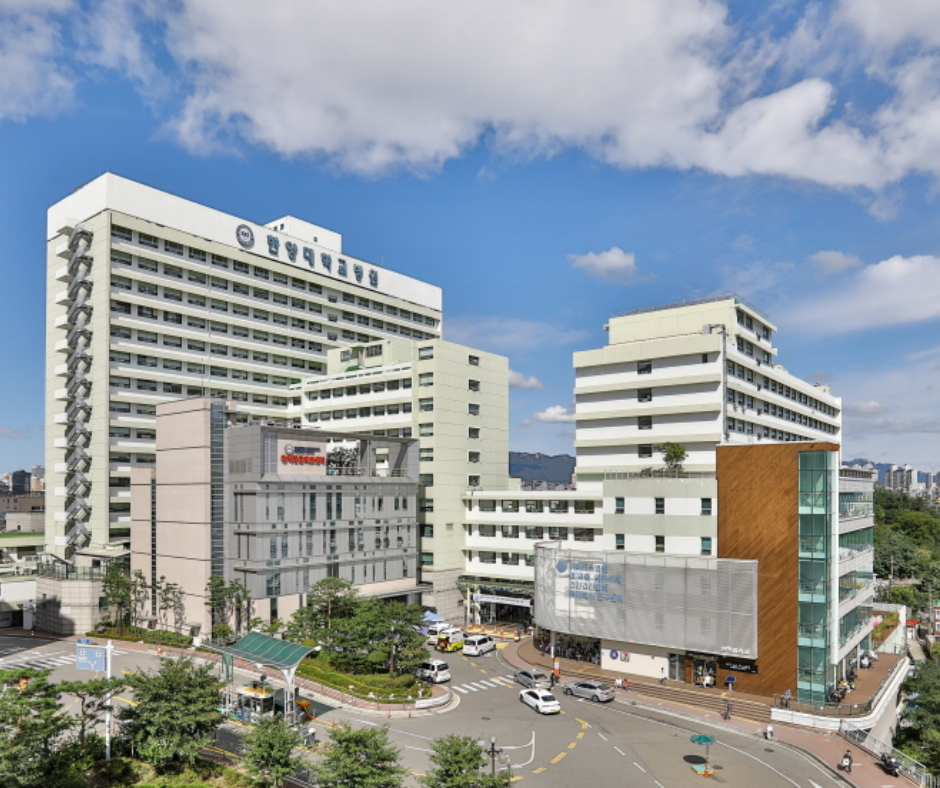


Overview
Hanyang University Seoul Hospital is a tertiary university hospital located in Seongdong-gu, Seoul. Established in 1972 under the founding philosophy of “Love in Deed and Truth,” the hospital provides integrated medical services supported by experienced specialists, advanced diagnostic equipment, multidisciplinary treatment systems, and university-based medical research.
The hospital covers a broad range of medical specialties, including internal medicine, surgery, oncology, cardiovascular and cerebrovascular care, orthopedics, neurosurgery, rheumatology, organ transplantation, women’s health, ophthalmology, otolaryngology, urology, rehabilitation, and emergency medicine.
Hanyang University International Hospital supports overseas patients through appointment coordination, medical consultation, interpretation, customized health screening, and follow-up assistance. English- and Russian-language-language coordinator services are available, along with dedicated consultation facilities for international patients.
-
*Comprehensive Health Screening The Health Promotion Center at Hanyang University International Hospital provides systematic health-screening programs designed to evaluate general health, detect potential diseases, and identify lifestyle-related risk factors before significant symptoms develop. The basic screening program focuses on adult diseases and the function of major organs. Depending on the selected package, examinations may include physical measurements, body-composition analysis, blood and urine testing, cardiovascular and respiratory assessment, diagnostic imaging, abdominal ultrasound, upper gastrointestinal endoscopy, colonoscopy, and gender-specific examinations. More specialized programs are available for individuals requiring an advanced or condition-focused assessment. Options include: -Basic and comprehensive health screening -Disease-specific precision screening -Cardiovascular health screening -Brain and cerebrovascular screening -Respiratory health screening -Diabetes and metabolic-syndrome screening -Spine and joint screening -Women’s and men’s specialized screening -Screening programs for seniors aged 75 and above -Adolescent health screening -Premium overnight screening programs Advanced imaging such as CT, MRI, MRA, and PET-CT may be included in selected programs. Screening options can be chosen according to the patient’s age, sex, symptoms, medical history, family history, and individual health concerns. When abnormal findings are identified, patients can be referred to the appropriate hospital department for further diagnosis and treatment. *Early Cancer Screening Hanyang University Hospital offers cancer-screening programs designed to support the early detection of major cancers before symptoms become noticeable. Its representative basic cancer-screening program evaluates cancers affecting areas such as the stomach, colon, liver, lungs, breasts, and female reproductive organs. Screening methods may include: -Upper gastrointestinal endoscopy -Colonoscopy or colorectal screening -Abdominal and organ-specific ultrasound -Low-dose chest CT and other diagnostic imaging -Mammography and breast ultrasound -Cervical and gynecological examinations -Blood testing and selected tumor markers -MRI, MRA, or PET-CT in advanced programs The hospital’s precision cancer-screening programs combine basic health assessment with examinations targeting frequently occurring cancers. Its MRI Premium Cancer Screening adds brain and cerebrovascular MRI examinations, helping evaluate not only cancers in major organs but also brain tumors and possible abnormalities of the brain and cerebral blood vessels. If a suspicious lesion or abnormal result is detected, additional imaging, endoscopy, biopsy, or specialist consultation can be arranged through the hospital’s cancer centers
-
*Specialized Medical Care and Treatment Services Hanyang University Hospital provides specialized diagnosis and treatment for complex, severe, chronic, and rare medical conditions. Specialists from different departments collaborate to review examination results and develop individualized treatment plans based on the patient’s diagnosis, disease stage, overall health, and treatment objectives. The hospital operates specialized cancer centers covering liver, thyroid, musculoskeletal, brain and spinal, colorectal, head and neck, gynecologic, urologic, esophageal, gastric, breast, pancreatic and biliary, lung, and hematologic cancers. Depending on the condition, treatment may involve surgery, minimally invasive or robotic procedures, medication, chemotherapy, targeted or immune-based therapy, radiation therapy, and supportive care. Specialized services also extend to: -Cardiovascular and cerebrovascular diseases -Neurological and neurosurgical conditions -Rheumatic and autoimmune diseases -Organ transplantation -Digestive, liver, and pancreatic diseases -Respiratory and allergic conditions -Endocrine and metabolic disorders -Kidney and urinary diseases -Orthopedic, spinal, and musculoskeletal conditions -Women’s health and high-risk pregnancy -Rehabilitation and pain management Patients requiring ongoing care may receive coordinated services covering specialist consultation, diagnostic testing, hospitalization, surgery, rehabilitation, and follow-up monitoring within the same medical system.
